
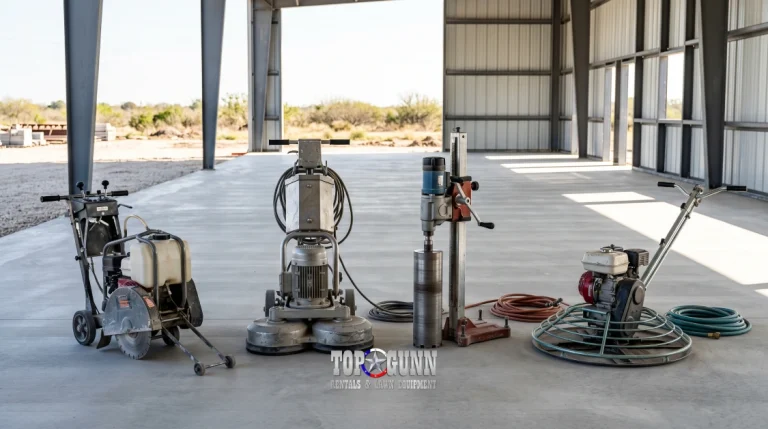
Precision concrete cutting, structural coring, batch mixing, and slab finishing demand trade-rated equipment capable of handling high aggregate density, heavy rebar, and tough Texas limestone. Sourcing professional machinery through concrete and masonry rentals gives commercial general contractors, utility crews, and residential trades direct access to specialized tools without capital purchase costs, storage logistics, or fleet maintenance burdens.
Top Gunn Rentals & Lawn Equipment serves Austin and surrounding communities across Travis, Williamson, and Hays counties, delivering dependable rental machinery within a 50-mile radius that covers Leander, Liberty Hill, Pflugerville, Bastrop, Cedar Creek, Manor, Elgin, Creedmoor, Wimberley, Georgetown, Spicewood, Oak Hill, Dripping Springs, and Lockhart.
What Factors Determine the Right Concrete and Rock Saw for Your Job?
Blade diameter, trenching depth, fuel source, and structural composition dictate whether your job calls for a high-output gasoline walk-behind saw, an emission-free electric cutoff unit, or a dedicated trenching rock saw. Matching the saw platform to the work site ensures optimal cutting speed while preventing diamond segment glazing and blade binding.
Walk-behind floor saws handle long, continuous joint cutting in cured concrete and asphalt. A 14-inch walk-behind saw delivers portable control for light municipal patches and slab cuts, while an 18-inch walk-behind concrete and asphalt saw provides the down-pressure and arbor torque necessary to slice deeper expansion joints and utility access paths up to six and a half inches deep.
For vertical cuts, wall openings, curb adjustments, and tight drainage trenches, handheld cutoff saws provide immediate site versatility:
- The 14-inch handheld gasoline quick-cut saw delivers fast, high-RPM cuts through reinforced slabs, precast pavers, and masonry block in well-ventilated outdoor settings.
- The 12-inch electric quick-cut saw provides zero-emission cutting for interior renovations, occupied commercial buildings, and confined plumbing trenches where gas fumes cannot be tolerated.
- For deep rock trenching through hard Central Texas caliche and subsurface limestone, specialized machinery like the RT45 rock saw equipped with a 6-inch by 24-inch wheel or the Case rock saw running a 4-inch by 24-inch wheel cuts clean utility channels where standard circular diamond blades cannot penetrate.
Review our dedicated inventory of concrete and rock saw rentals to match the appropriate blade size and horsepower to your upcoming site work.
Concrete Mixer Rentals
How Do You Select Core Drills and Rig Setups for Utility Penetrations?
Core drilling requires rigid stabilization, balanced gear ratios, and constant water slurry feed to drill clean circular penetrations through reinforced concrete footings, slab-on-grade floors, and structural walls. Percussion hammer drills fracture aggregate and crack perimeter masonry, whereas diamond core drilling preserves the integrity of the surrounding structure for plumbing, conduit, and mechanical sleeves.
| Coring Platform | Mounting Style | Typical Bit Diameter Range | Best Practical Application |
| Handheld Core Drill (Hilti) | Handheld / Freehand | 1/2″ to 3″ | Punch-out conduit holes, tight mechanical chases, anchor sleeves |
| Standard Floor Core Drill | Anchor Base / Vacuum Pad | 2″ to 8″ | Commercial floor penetrations, utility drainage, test core sampling |
| Hilti Precision Floor Core Drill | Heavy Rigid Column Stand | 2″ to 12″+ | Heavily reinforced slabs, deep foundation coring, continuous production |
The Hilti handheld core drill allows operators to core smaller utility lines through brick, block, and perimeter walls without bolting down a bulky rig frame. Moving up to slab penetrations larger than three inches requires floor-mounted core rigs. Sourcing a standard floor core drill or a Hilti floor core drill paired with diameter-matched core bits ensures straight vertical holes with minimal operator strain.
For routine electrical anchoring and rebar pinning, our tool room supplies heavy-duty rotary hammer drills, including SDS, SDS Max, and Spline platforms. Contractors can select from individual hammer drill bits ranging from 5/16-inch by 4-inch SDS up to 1 1/8-inch by 16-inch Spline bits, backed by complete dust extraction attachments to satisfy OSHA respirable crystalline silica standards.
When Should You Choose Demolition Hammers Over Pneumatic Paving Breakers?
The volume and thickness of the slab determine whether an electric demolition hammer provides sufficient impact energy or if the job demands a 90-pound pneumatic paving breaker. Choosing an undersized hammer leads to operator fatigue and overheating, while deploying an oversized air breaker on thin patio concrete risks fracturing sub-base utilities.
Review our complete fleet of breaker rentals to deploy the proper striking force for your demolition scope:
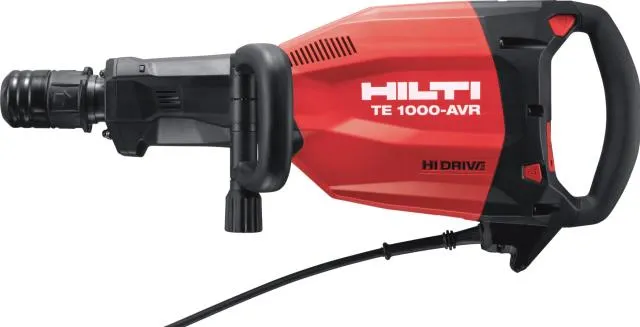
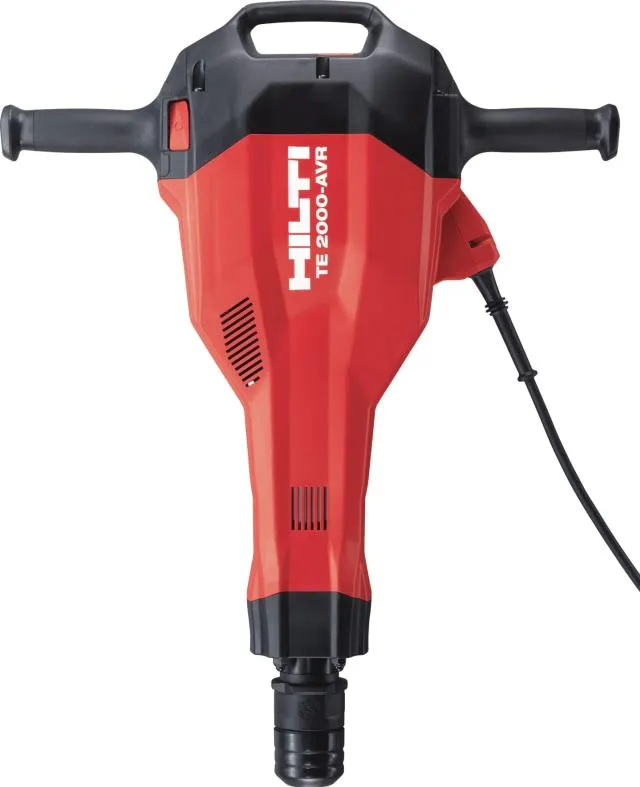
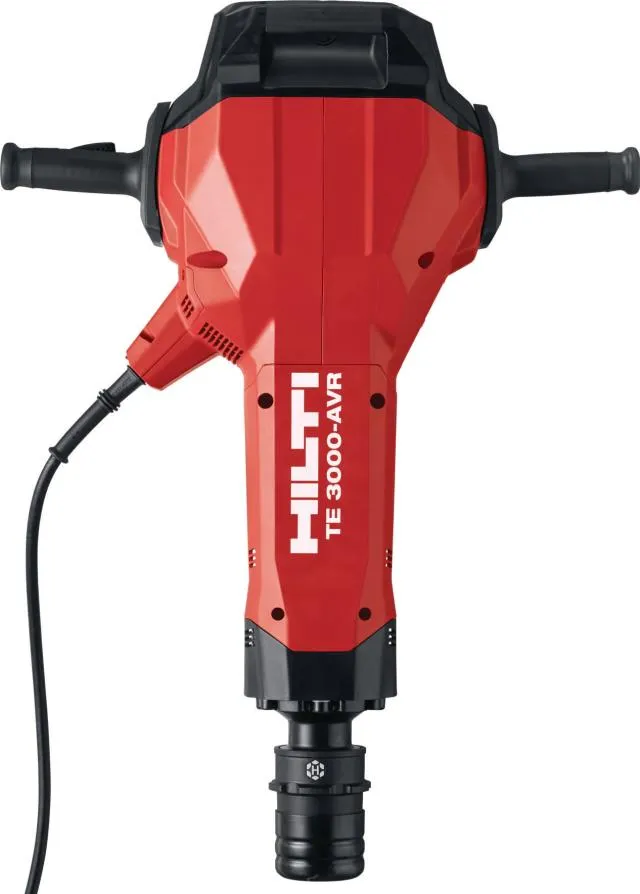
- Light to Mid-Duty Chipping: The 22-pound air demo hammer, 25-pound demolition hammer, and 27.6-pound Hilti concrete breaker handle tile removal, vertical masonry demolition, and perimeter brick breakout.
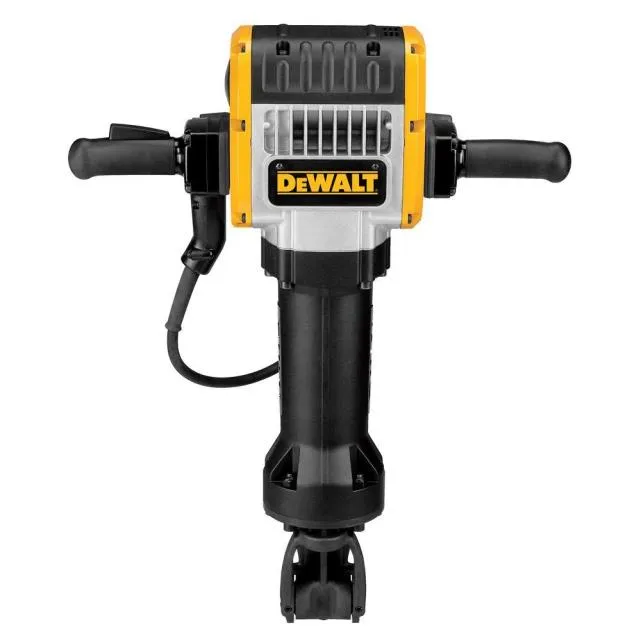
- Medium Floor Breakout: The 32-pound Hilti electric jackhammer and the 40-pound DeWalt electric jackhammer break up four-inch unreinforced slabs, sidewalk pads, and residential driveways.
- Heavy Electric Breaking: The 68-pound electric jackhammer matches the hitting energy of medium air tools, running off standard temporary site power without requiring a towable air compressor.
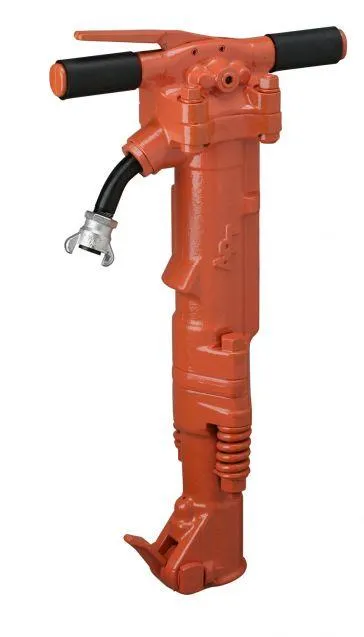
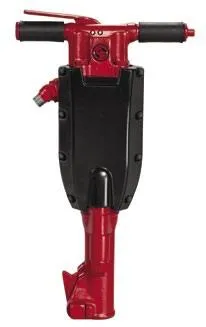
- Mass Commercial Breaking: The 60-pound and 90-pound pneumatic air paving breakers fracture six-to-ten-inch highway-grade reinforced concrete, heavy foundations, and thick bridge decks.
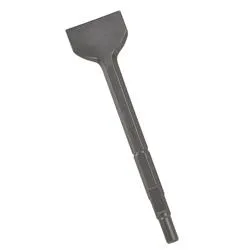
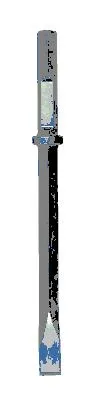
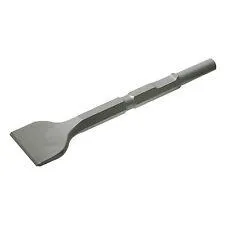
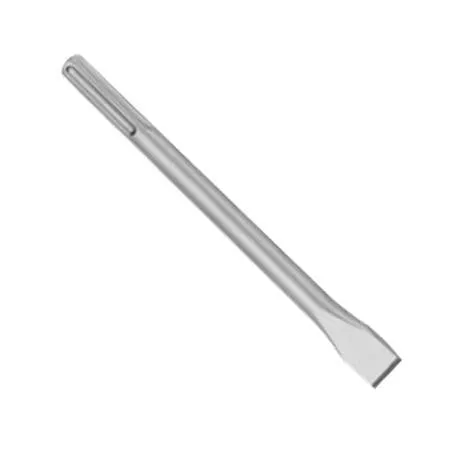
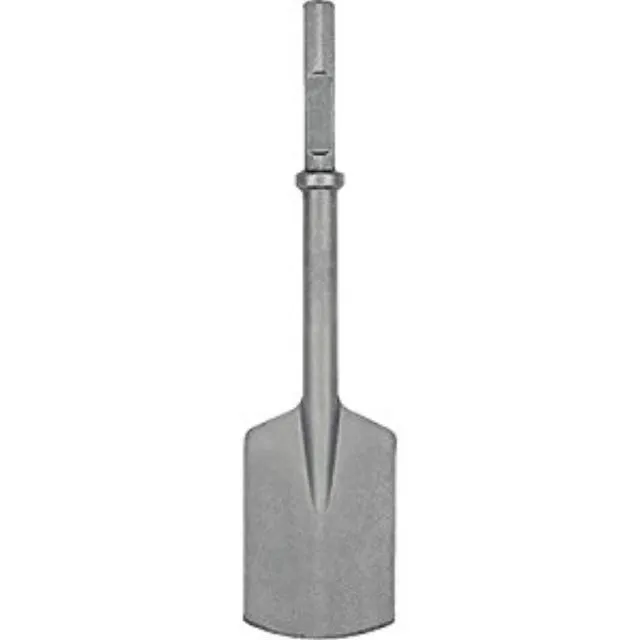
Pairing breakers with the proper steel point is essential for fast production. Point moils penetrate dense, high-PSI concrete; narrow chisels handle directional cracking along joint boundaries; 3-inch wide chisels strip asphalt and coatings; and clay spades slice through sticky soil, caliche, and shale during trench footing preparation.
Breaker Rentals


How Do Batch Mixers and Power Buggies Optimize Material Placement?
Uniform aggregate suspension and fast batch transit prevent premature setting, cold joints, and physical fatigue when placing fresh mud across wide site footprints. Moving concrete in manual wheelbarrows over uneven ground causes sloshing, separates wet aggregate, and slows down structural pours.
Material Staging & Batching –> Site Transit –> Placement & Compaction –> Surface Finishing (Towable Gas / Electric Mixers) (16 cu ft Buggy) (10′ Vibrator & 12′ Screed) (36″ & 46″ Power Trowels
Commercial Batch Mixers
Selecting the right drum configuration depends directly on the binding agent:
- The 2.5-cubic-foot electric knockdown cement mixer disassembles for easy transport through residential doorways, providing controlled batch mixing for indoor setting beds and masonry repairs.
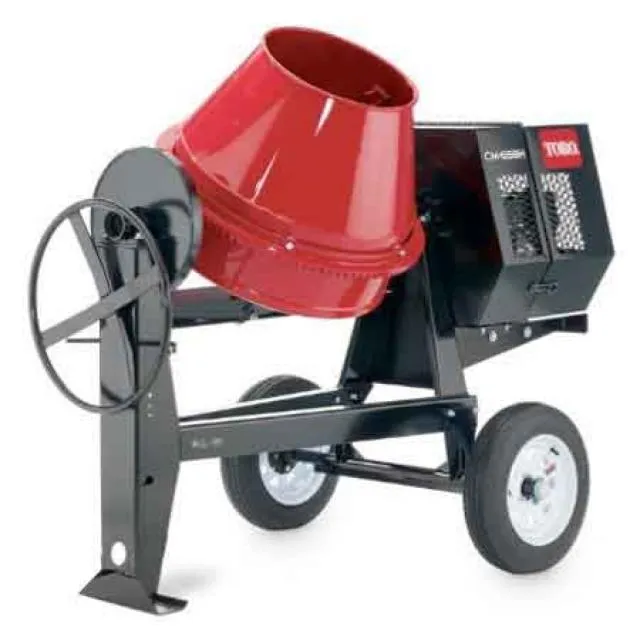
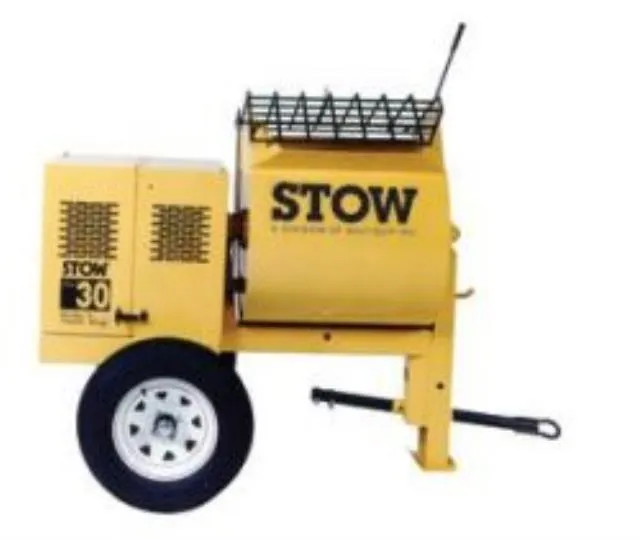
- The 6-cubic-foot towable gas concrete mixer features internal rotating paddles designed to roll coarse stone aggregate without clogging or stalling the drum drive.
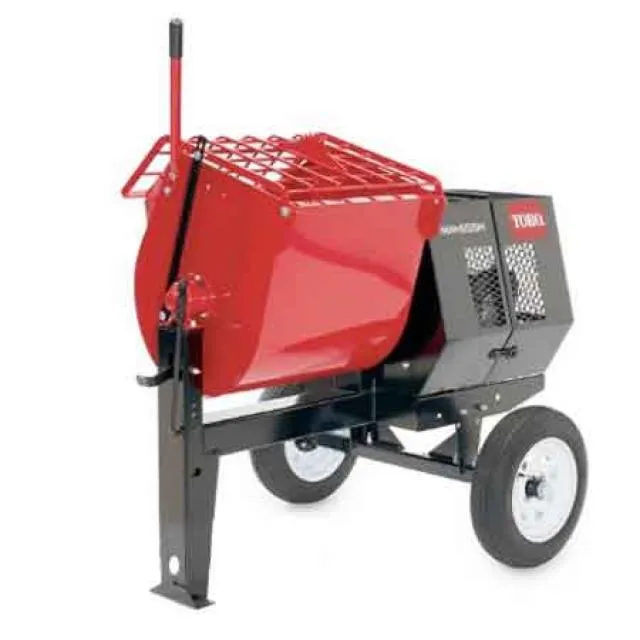
- Towable gas mortar mixers in 7-cubic-foot and 8-cubic-foot configurations utilize stationary drums with rotating rubber wiper blades that thoroughly wipe and blend sand, lime, and masonry cement.
You can reserve mixing equipment through our local concrete mixer rentals to maintain continuous batch output.
High-Volume Buggy Transit
Moving large batches across muddy jobsites, turf, or rough grades requires dedicated material handling. A 16-cubic-foot motorized power buggy carries up to one ton of mixed concrete, base gravel, or demolition rubble directly from ready-mix trucks to the pour forms. Its pneumatic tires and hydraulic dump gate speed up pour cycles across large foundations and retaining wall footings.
Concrete Grinder Rentals
What Equipment Delivers a Smooth, High-Density Concrete Slab Finish?
Achieving a flat, wear-resistant concrete slab requires a disciplined sequence of internal vibratory compaction, mechanical screeding, initial floating, and power burnishing as the slab cures. Missing the evaporation window of surface bleed water leads to premature crusting, while floating too early traps excess water beneath the surface.
- Internal Compaction: Insert a 10-foot concrete vibrator immediately into deep forms to collapse trapped air pockets around rebar grids and eliminate structural honeycombing.
- Strike-Off Screeding: Pull a 12-foot aluminum screed along form boards to strike off high ridges and establish uniform slab elevation.
- Aggregate Knockdown: Work a concrete jitterbug across fresh mud to depress larger coarse gravel just below the surface, raising rich cement paste for easier floating.
- Bull Floating: Push an extruded magnesium bull float fitted with threaded handle extensions across the wet slab to level ridges, close screed marks, and seal minor surface voids.
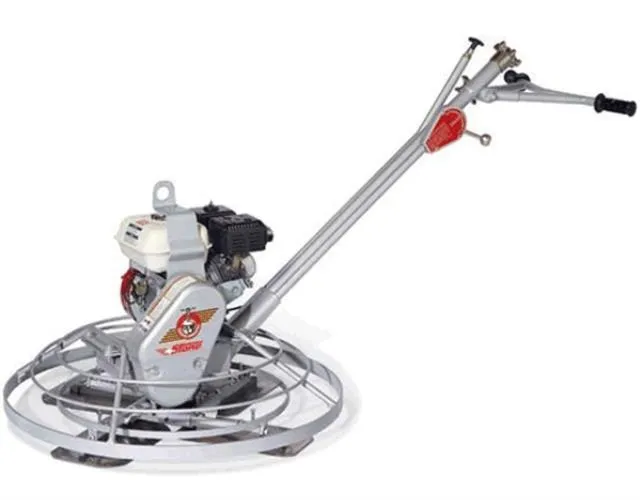
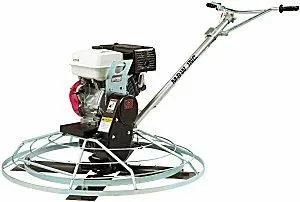
- Mechanical Power Troweling: Once the slab bears foot pressure with only a quarter-inch indentation, bring in a 36-inch walk-behind gas power trowel for standard residential rooms, patios, and garage floors. For wide commercial warehouse bays, a 46-inch gas power trowel provides the blade span and machine weight required to burnish a hard, glossy wear layer.
Explore our full inventory of power trowel rentals to equip your finishing crew with dependable gas-powered trowels.
Which Grinders and Scarifiers Handle Concrete Surface Prep and Coating Removal?
Surface preparation equipment profiles bare concrete, levels curled expansion joints, and removes stubborn adhesives by matching down-force and abrasive tooling to the required Concrete Surface Profile. Standard sanding equipment cannot profile cured slabs, while misapplied scarifiers can gouge floors beyond repair.
Handheld Edge and Detail Grinders
Addressing vertical stem walls, tight stair risers, and perimeter edges requires focused abrasive control. Our fleet provides 4 1/2-inch mini angle grinders alongside 7-inch to 9-inch heavy-duty electric angle grinders fitted with diamond cup wheels to feather down form marks and prepare wall edges.
Walk-Behind Floor Grinders and Diamond Tooling
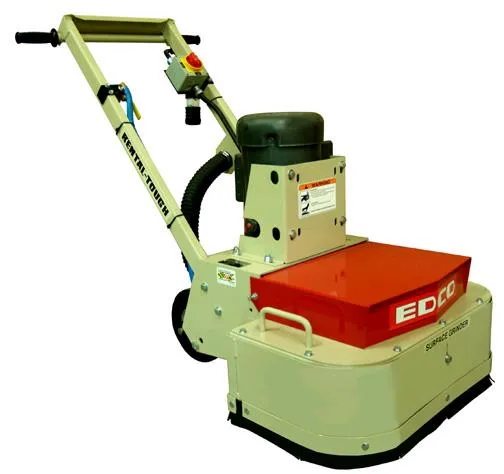
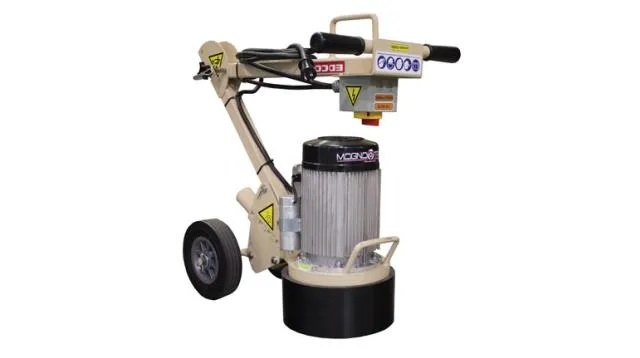
Preparing open warehouse floors, residential garages, and showroom foundations calls for walk-behind rotary grinders. A small electric walk-behind floor grinder maneuvers through standard interior doorways to strip thin coatings and prep concrete for sealers.
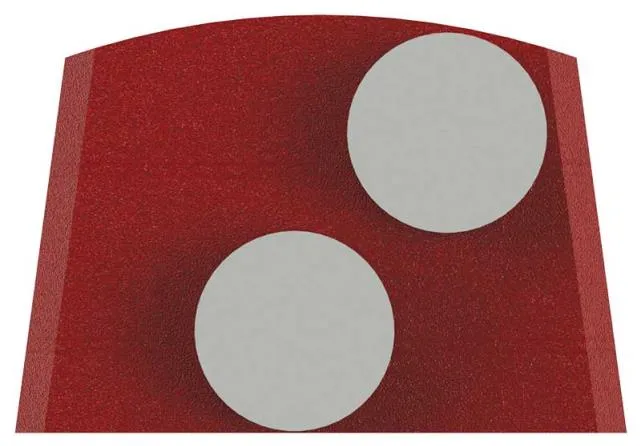
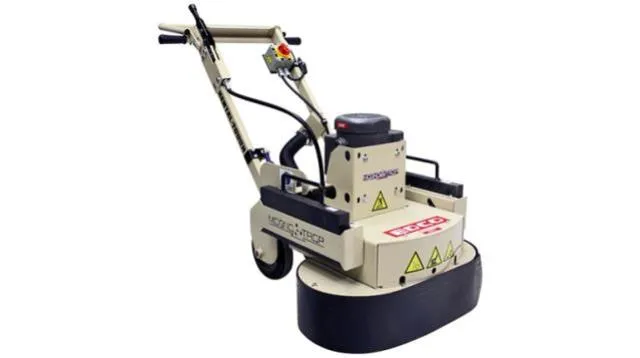
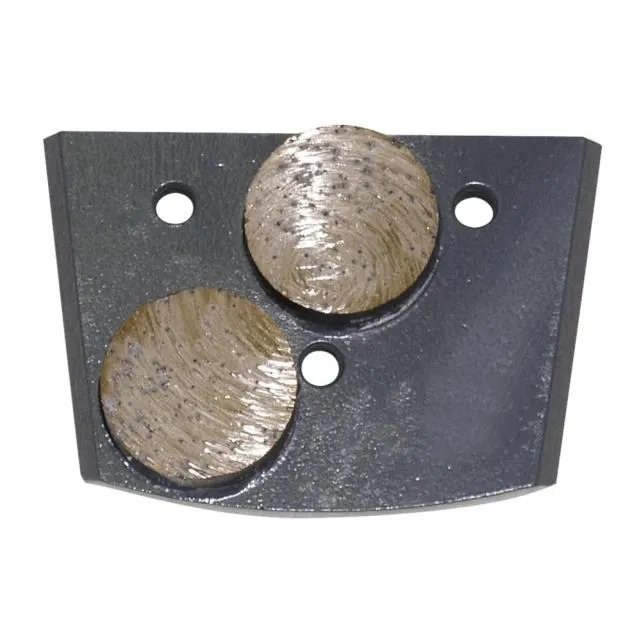
For tougher commercial profiles, a dual-disc concrete floor grinder fitted with Dyma-Dot diamond tooling delivers exceptional flatness. Crews choose between 30-grit Double Dyma-Dot segments for hard concrete or universal double Dyma-Dot tooling to strip epoxy, level high joints, and open up concrete pores. You can explore available walk-behind models through our concrete grinder rentals fleet.
Heavy Scarifiers for Deep Milling
When floors have thick elastomeric traffic membranes, curled slab joints, or uneven concrete that diamond grinders cannot cut efficiently, an 8-inch walk-behind concrete scarifier is the correct tool. Its rotating drum features carbide-tipped flail cutters that pulverize high spots and mill down high concrete ridges quickly.
Power Trowel Rentals
Frequently Asked Questions
What size core drill bit should I select for running plumbing and electrical conduit?
Select a diamond core bit that is one-quarter to one-half inch larger than the outside diameter of your pipe or conduit sleeve to ensure adequate room for firestop caulking, foam backer rods, or structural grout. Standard conduit and branch lines generally use 1.5-inch to 3-inch core bits, while 4-inch, 6-inch, and larger core barrels are standard for sewer drain lines, toilet flanges, and commercial mechanical ducts.
What is the practical difference between a concrete mixer and a mortar mixer?
A concrete mixer features rotating drum fins designed to lift and tumble coarse gravel aggregate, making it ideal for structural footings, slabs, and post holes. A mortar mixer uses a stationary drum with rotating internal wiper paddles that thoroughly blend fine sand, lime, and cement without binding or leaving unmixed paste against the drum walls.
How does a concrete scarifier differ from a rotary diamond floor grinder?
A rotary concrete grinder uses rotating diamond-impregnated segments to gently abrade, polish, and level surfaces for thin coatings and sealers. A concrete scarifier uses rotating drums loaded with hardened carbide star flails that chip and mill the concrete downward, making it better for leveling curled expansion joints, grooving walkways, and removing thick traffic coatings.
When should I use an electric cutoff saw instead of a gasoline-powered concrete saw?
Electric cutoff saws should be chosen whenever cutting inside enclosed buildings, occupied offices, basements, or hospital wings where gasoline exhaust fumes and carbon monoxide pose severe health hazards. Electric units start instantly on standard site circuits and generate less operational noise while cutting concrete, brick, or steel.
Does Top Gunn Rentals deliver concrete equipment directly to Central Texas job sites?
Top Gunn Rentals provides direct job-site delivery for power buggies, towable mixers, walk-behind saws, and surface prep equipment within a 50-mile radius of its Austin facility. Delivery service routinely covers Leander, Liberty Hill, Pflugerville, Bastrop, Cedar Creek, Manor, Elgin, Creedmoor, Wimberley, Georgetown, Spicewood, Oak Hill, Dripping Springs, and Lockhart.